
How Long Does It Take to Get Forklift Certified?
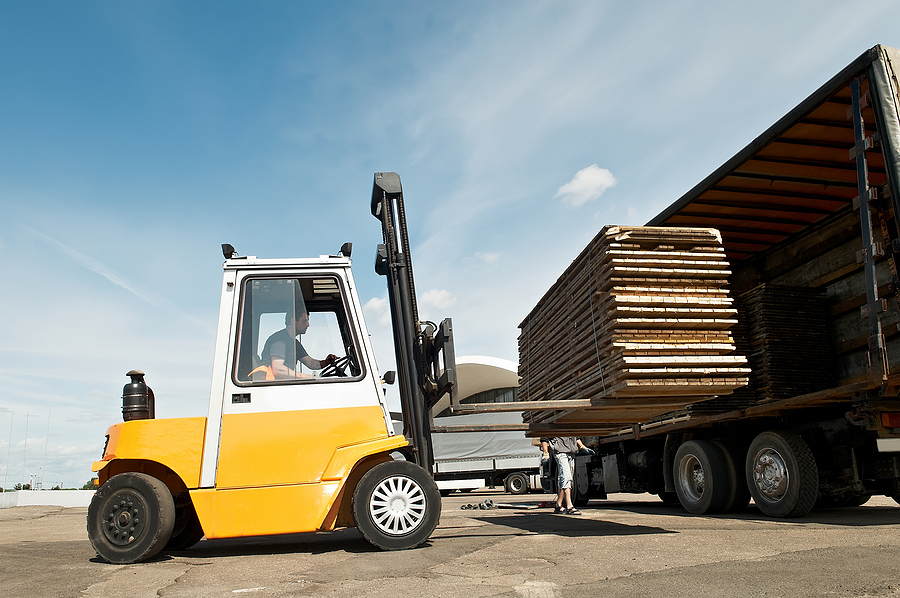
There is no single OSHA-mandated number of hours for forklift certification. The time required depends on the operator’s previous experience, the type of powered industrial truck being used, workplace hazards, and how much instruction and practice are necessary for the employee to demonstrate safe operation. OSHA requires formal instruction, practical training, and an evaluation of operator performance, but it does not establish one universal four-hour, eight-hour, or one-day course requirement. (OSHA)
That makes forklift training different from courses such as OSHA 10-Hour or OSHA 30-Hour Outreach training, where the course length is built into the program name.
For forklift operators, the better rule is:
Competence matters more than forklift operation clock time.
An experienced employee who has operated on similar equipment may progress faster than someone who has never driven a forklift. A worker who must learn several truck types, specialized attachments, difficult loads, or challenging workplace conditions may need additional instruction and hands-on practice.
The Universal Article Variables Worksheet developed for this article specifically directs the content not to invent a fixed OSHA course duration and instead make demonstrated operator competence the central theme.
Safety Counselling provides forklift training and certification as part of its workplace safety programs for Albuquerque and New Mexico employers and workers. The company emphasizes hands-on practical instruction, instructor-led training, and real-world workplace application.
Does OSHA Require a Certain Number of Hours for Forklift Training?
No.
OSHA’s powered industrial truck standard requires operators to receive training appropriate to the truck and workplace, but OSHA does not say that every employee must complete a specific four-hour, six-hour, eight-hour, or one-day forklift course.
Instead, OSHA uses a performance-based approach. The required training must include formal instruction, practical training, and an evaluation of the operator’s performance in the workplace. (OSHA)
OSHA’s rule also explains that the amount and type of training depend on factors such as the employee’s previous knowledge and skill, the powered industrial trucks the employee will operate, workplace hazards, and the operator’s demonstrated ability to operate safely. (OSHA)
That means two employees can legitimately require different amounts of training.
The goal is not:
“Everyone spends exactly four hours in class.”
The goal is:
“Each operator receives the training needed to understand the equipment and workplace and demonstrates that they can safely perform the job.”
What Parts of Forklift Certification Take Time?
Forklift certification is better viewed as a process than a single classroom session.
The process generally includes formal instruction, hands-on practical training, operator evaluation, and employer documentation. OSHA requires the first three components as part of powered industrial truck operator training and requires the employer to certify that the operator has been trained and evaluated. (OSHA)
| Training Stage | What Happens |
| Formal instruction | Operator learns safety principles, truck operation, stability, hazards and applicable rules |
| Practical training | Trainer demonstrates procedures and trainee performs supervised exercises |
| Operator evaluation | Evaluator observes whether the employee can safely operate the truck |
| Additional practice if needed | Deficiencies are addressed before independent operation |
| Employer documentation | Training and evaluation are recorded |
| Future evaluation | Operator performance is evaluated at least once every three years |
The amount of time spent in each stage can vary.
How Long Does the Classroom Portion of Forklift Training Take?
OSHA does not establish a universal time requirement for the formal-instruction portion.
Formal instruction can include lectures, discussions, videos, written materials, or interactive computer learning. The content must address applicable truck-related and workplace-related topics. (OSHA)
Training may cover subjects such as controls, steering, visibility, vehicle capacity, stability, attachments, inspections, refueling or battery charging, workplace surfaces, pedestrian traffic, ramps, narrow aisles, load handling, and other operating conditions.
Someone who is brand new to forklift operation may require more explanation than an experienced operator who already understands many of the concepts.
The type of workplace also matters.
An Albuquerque warehouse employee operating indoors around pallet racks and pedestrians may need emphasis on different hazards than a construction employee operating powered industrial equipment on uneven outdoor surfaces.
Safety Counselling’s editorial guidelines specifically call for training content to reflect practical workplace situations in New Mexico industries such as construction, manufacturing, transportation, warehousing, mining, and utilities.
How Long Does the Hands-On Portion Take?
There is no universal OSHA time requirement for hands-on forklift practice either.
OSHA requires practical training to include demonstrations by the trainer and practical exercises performed by the trainee. (OSHA)
This may involve learning to safely start and stop the truck, steer and maneuver, position forks, handle loads, travel loaded and unloaded, work around pedestrians, park the truck, and operate under workplace conditions similar to those the employee will actually encounter.
A worker who has never operated a forklift may need more time to become comfortable with basic maneuvering.
An experienced operator may require less practice—but previous experience does not eliminate the need to determine whether that person can safely operate the current equipment under current workplace conditions.
Safety Counselling specifically identifies forklift operation as an area where hands-on instruction is particularly important. Its training resources may include forklifts and rough-terrain forklifts, although specific equipment used in a given class should be verified before registration.
How Long Does the Forklift Operator Evaluation Take?
OSHA does not prescribe one universal evaluation time.
The evaluator needs enough opportunity to determine whether the employee can safely perform the powered industrial truck operations required by the job.
OSHA’s training guidance says the evaluation should determine both whether the training was adequate and whether the employee can safely perform truck operations in the workplace. (OSHA)
That evaluation might involve observing the operator maneuvering the truck, handling loads, maintaining visibility, following workplace procedures, interacting safely with pedestrians, and responding appropriately to actual operating conditions.
The purpose is not merely to see whether someone can drive forward and backward.
It is to answer:
Can this employee safely operate the equipment under the conditions they will actually encounter?
Can You Get Forklift Certified in One Day?
Some operators may be able to complete the required instruction, practical training, and evaluation in a single day, depending on the training program, equipment, prior experience, class size, workplace conditions, and the operator’s ability to demonstrate competence. OSHA does not require or guarantee a one-day certification process. (OSHA)
This is an important distinction.
A training provider may schedule a class that takes place during one day. That does not mean OSHA has declared that one day is always enough for every operator.
One worker may successfully complete the scheduled training and evaluation.
Another may need additional practice.
The Universal Article Variables Worksheet specifically directs this article to answer the one-day question clearly without promising that every operator can be qualified on the same schedule.
Can Forklift Certification Take Only a Few Hours?
It can for some portions of some training programs, but there is no OSHA rule stating that forklift certification always takes a specific number of hours.
A short class may provide formal instruction efficiently. An experienced operator may also demonstrate practical skill quickly.
But the complete process still needs to address the applicable OSHA requirements.
If a program advertises:
“Get fully forklift certified in 30 minutes”
or
“Instant forklift certification”
the employer should determine what that claim actually includes.
Does it include practical hands-on training?
Does it include operator evaluation?
Does it account for the specific truck?
Does it account for workplace hazards?
Safety Counselling’s company knowledge base identifies generic online instruction that does not address the workplace, lack of hands-on evaluation, and failure to evaluate employee performance as common employer training problems.
Does Previous Forklift Experience Shorten Training?
It can.
OSHA does not require unnecessary duplicate training when an operator has already received appropriate instruction on a topic and has been evaluated and found competent for the equipment and conditions involved. (OSHA)
For example, an employee who has safely operated the same type of forklift for several years may not need the same introductory explanation as someone who has never used powered industrial equipment.
But employers should not treat previous experience as automatic qualification.
A new workplace may have different:
forklifts, attachments, loads, pedestrian traffic, ramps, aisle widths, surface conditions, operating procedures, or hazards.
The employee still needs to be competent for the conditions where the truck will actually be used.
This is one reason OSHA’s performance-based approach makes more sense than a rigid hour requirement.
Does a Beginner Usually Need More Time?
Often.
A first-time forklift operator may need additional instruction and practice to understand concepts that experienced operators already recognize.
For example, a beginner may need time to become comfortable with steering characteristics, rear-end swing, load capacity, stability, fork positioning, visibility, stopping distance, pedestrian awareness, parking procedures, and equipment inspections.
Understanding the classroom information does not automatically translate into physical operating skill.
Some operators learn quickly.
Others need more supervised practice.
That should not be viewed as a problem. The goal of training is to develop competence, not to make every employee finish at exactly the same time.
Safety Counselling’s editorial standards favor practical instruction and safety education over “quick certification” or “instant certification” claims.
Does the Type of Forklift Affect Training Time?
Potentially.
OSHA requires training to address the types of powered industrial trucks the employee will be authorized to operate. (OSHA)
Different trucks can have different controls, capacities, steering characteristics, stability considerations, attachments, visibility, and operating limitations.
An operator learning one familiar warehouse truck may need less instruction than someone learning multiple truck types.
Workplace use can also change the training requirement.
For example, operating indoors on a flat warehouse floor is different from operating equipment in an outdoor construction environment where surfaces, slopes, and conditions change.
Safety Counselling’s company materials state that recommendations should be based on actual workplace hazards, equipment used, employee experience, applicable standards, worksite conditions, and required hands-on evaluation rather than assuming one course format fits every employer.
Does Rough-Terrain Forklift Training Take Longer?
It may.
Rough-terrain operation can introduce additional considerations such as uneven surfaces, slopes, construction-site conditions, changing terrain, and load handling on less predictable surfaces.
OSHA does not specify a separate universal training duration simply because rough-terrain equipment is involved.
Instead, the training should be appropriate to the truck and workplace, and the operator must demonstrate safe performance. (OSHA)
An experienced rough-terrain operator may progress quickly. Someone unfamiliar with that equipment or work environment may need additional practical instruction.
Does Online Forklift Training Take Less Time?
Online training may make the formal-instruction portion convenient, but it cannot replace the entire OSHA-required process.
OSHA permits interactive computer learning as one method of formal instruction, but it also requires practical training and an evaluation of the operator’s workplace performance. (OSHA)
So an online course may shorten or simplify the knowledge portion.
It cannot by itself provide:
hands-on practical operation + workplace operator evaluation.
This is why the phrase “fully certified online in 30 minutes” should be treated cautiously.
What Happens If You Need More Practice?
The employee should receive additional practice or training before being permitted to operate independently.
OSHA allows trainees to operate powered industrial trucks during training only under direct supervision of a person with the necessary knowledge, training, and experience and only when the training operation does not endanger the trainee or others. (OSHA)
If an operator struggles with load handling, maneuvering, stability, visibility, or another skill during evaluation, simply reaching the scheduled end of class does not demonstrate competence.
Additional instruction may be needed.
This is why training time should follow the operator’s needs rather than the clock.
Does Forklift Certification Have to Be Repeated Every Three Years?
Not necessarily.
This question is often confused with the question of how long initial training takes.
OSHA requires each powered industrial truck operator’s performance to be evaluated at least once every three years. (OSHA)
That does not mean every operator automatically repeats the entire original forklift course every three years.
Refresher training is required when specific circumstances occur, such as unsafe operation, an accident or near-miss, an evaluation showing unsafe performance, assignment to a different type of truck, or changed workplace conditions that could affect safe operation. (OSHA)
So remember the distinction:
How long does certification training TAKE?
That depends on the operator, equipment, workplace, and demonstrated competence.
How long does forklift qualification LAST?
That involves the separate OSHA reevaluation and refresher-training requirements.
The article worksheet intentionally keeps these search intents separate to prevent the content from competing with a future article about how long forklift certification lasts.
Frequently Asked Questions About Forklift Certification Time
How Long Does It Take to Get Forklift Certified?
There is no universal OSHA-required training duration. The amount of time depends on operator experience, equipment, workplace hazards, practical training needs, and the employee’s ability to demonstrate safe operation. OSHA requires formal instruction, practical training, and operator evaluation rather than one fixed course length. (OSHA)
How Many Hours Is Forklift Certification?
OSHA does not establish one fixed number of hours for every powered industrial truck operator. A particular training provider may schedule a class for a certain length of time, but that schedule should not be confused with an OSHA-mandated universal duration. (OSHA)
Can You Get Forklift Certified in One Day?
Potentially. Some operators may complete instruction, practical training, and evaluation in one day. Whether that is possible depends on the program, prior experience, equipment, workplace conditions, and the operator’s performance.
Does Prior Experience Reduce Forklift Training Time?
It can. OSHA allows employers to avoid unnecessary duplicate training when previous instruction remains applicable and the employee is evaluated and found competent. (OSHA)
Can Forklift Certification Be Completed Entirely Online?
No, not as the full operator-training process. Online learning may satisfy part of formal instruction, but hands-on practical training and operator performance evaluation are also required. (OSHA)
Do Different Forklift Types Require More Training?
They can. Training needs to address the powered industrial trucks the employee is authorized to operate and the workplace conditions involved. Different truck types or attachments may require additional instruction or evaluation. (OSHA)
What If I Need More Practice?
Additional practical training should be provided until the operator can demonstrate safe performance. Training completion should be based on competence rather than simply reaching a predetermined number of hours.
Where Can I Get Forklift Training in Albuquerque?
Safety Counselling offers Forklift Training and Certification among its publicly listed workplace safety programs. Individual workers may register for scheduled classes at its Albuquerque training facility, while employers may arrange group, on-site, customized, or equipment-focused instruction depending on availability and course requirements.
Need Forklift Training in Albuquerque?
The fastest forklift class is not necessarily the best forklift training.
The purpose of operator training is to help an employee understand the equipment, recognize hazards, practice safe operating techniques, and demonstrate that the equipment can be operated safely in the workplace.
Safety Counselling is an Albuquerque-based workplace safety training and consulting company that has served New Mexico businesses since 1973. Its training services include forklift training and certification, OSHA 10 and OSHA 30, CPR/First Aid/AED, fall protection, confined space, defensive driving, and other occupational safety programs.
Safety Counselling’s editorial and training philosophy emphasizes instructor-led education, hands-on practical instruction, regulatory knowledge, hazard recognition, and long-term safety improvement instead of marketing around “quick” or “instant” certification.
If you need forklift training for yourself or your employees, call Safety Counselling at 505-881-1112 to ask about upcoming forklift certification classes, current scheduling, or employer training options in Albuquerque and throughout New Mexico.